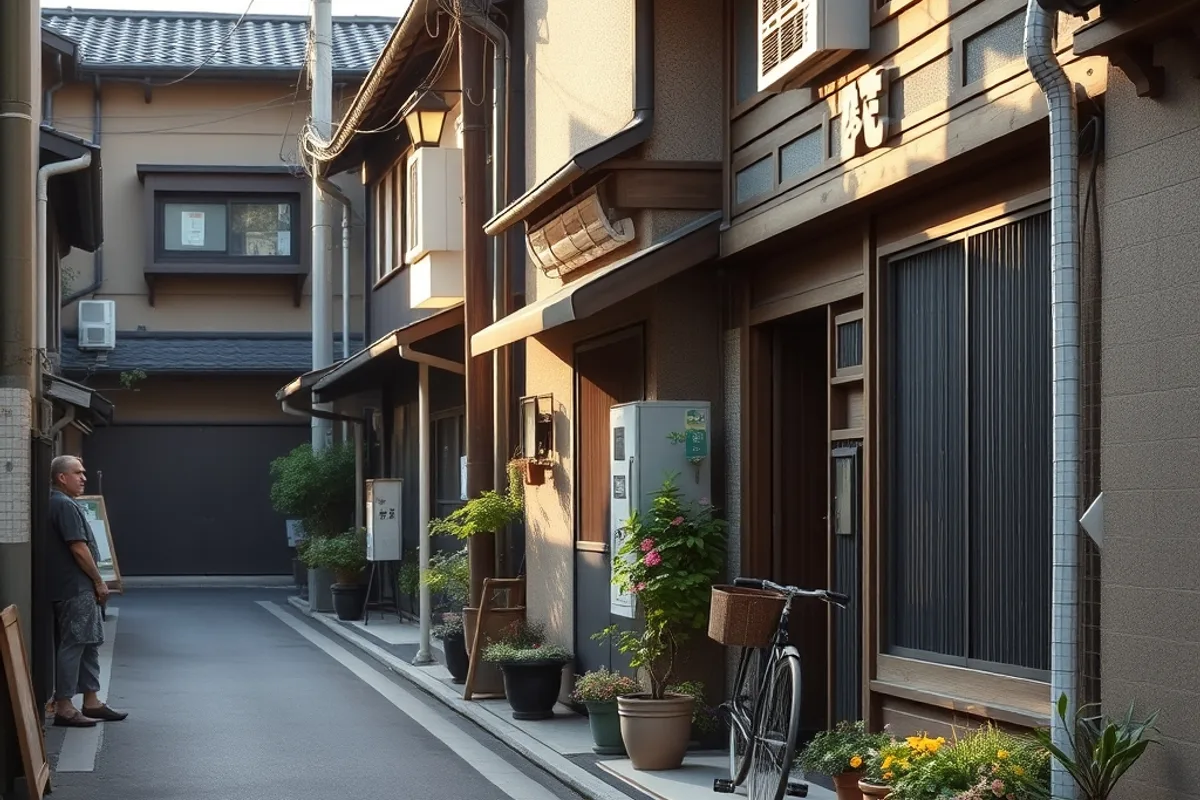
Kyoto has a crowding problem, but it is not evenly distributed. At ten in the morning, the approach to Kiyomizu-dera can feel like a queue with a temple at the end. At seven, the same street belongs to shopkeepers, cyclists and the occasional early riser with a camera.
The difference is timing. Kyoto rewards visitors who are willing to get up early, travel against the tour-bus flow and spend time in the quieter edges of the city. It also asks for a little restraint, because the lanes that make the place beautiful are also other people's neighbourhoods.
Timing beats location
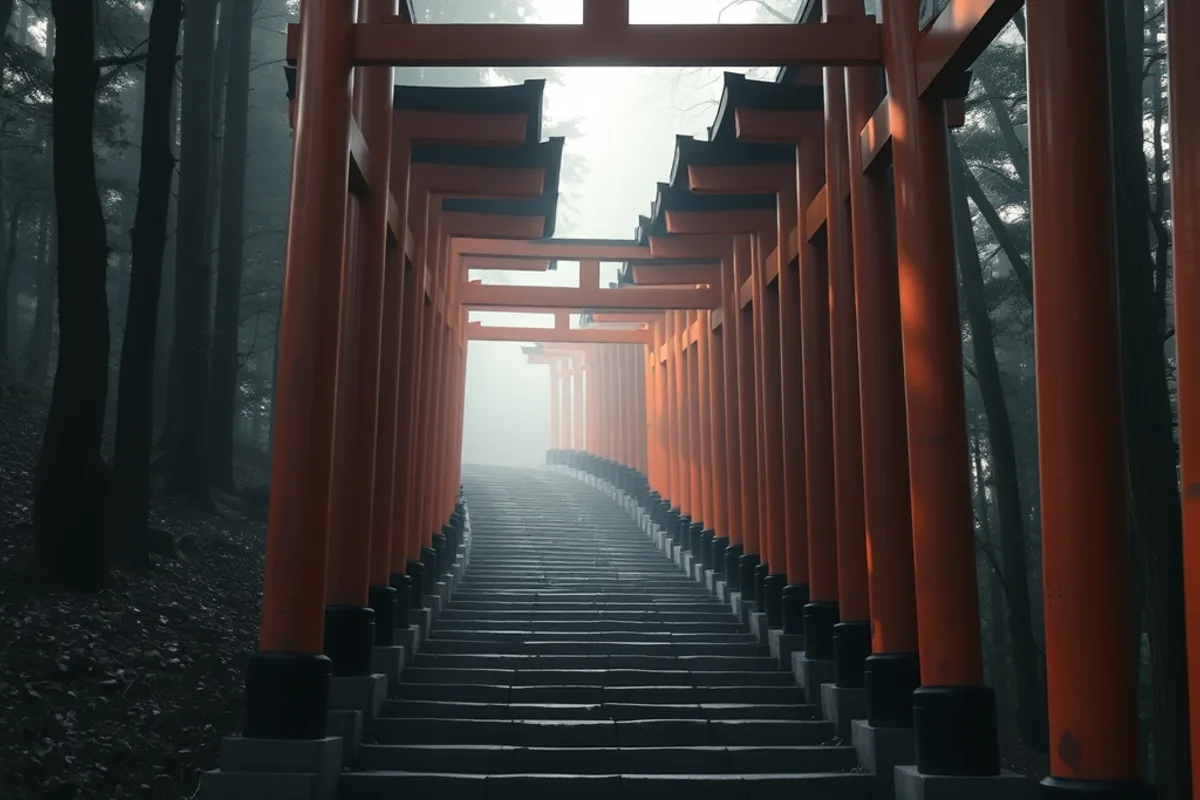
The most famous sites are famous for a reason, and skipping them entirely is not the answer. Go first thing, when the gates open and the light is soft. Fushimi Inari is open around the clock and is at its best before eight; the lower gates are busy, but the trail empties quickly as you climb.
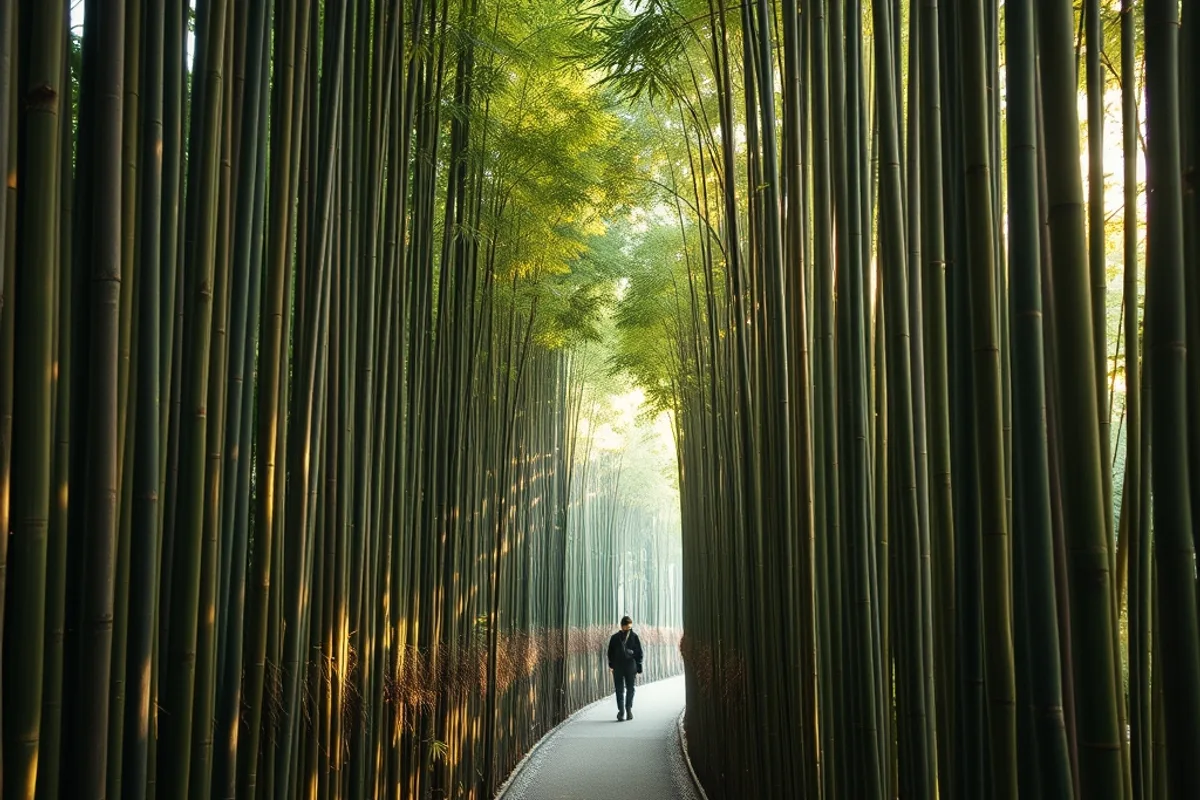
The same logic applies to Arashiyama. The bamboo grove is a short walk from the station and a very long queue by mid-morning. Arrive at sunrise, walk the path once in silence, then have breakfast before the crowds arrive.
The seasons, honestly
Cherry blossom in late March and early April is beautiful and extremely busy. Autumn colour from mid-November to early December is arguably more spectacular and just as crowded at the headline temples. Summer is hot, humid and quieter in the middle of the day, while winter is cold, clear and the calmest season for walking.
If you want space, consider late January or early February. The gardens are pared back, the light is clean and the city feels like itself. If you want colour, accept the crowds and plan around them rather than pretending they will not be there.
The early-morning rule
Pick one site for sunrise or opening time and build the rest of the day around it. Do not try to see three famous places before breakfast. One meaningful early visit is worth more than a rushed circuit, and it leaves you with energy for the afternoon.
Breakfast in Kyoto can be a convenience-store picnic in a park, a coffee and toast at a kissaten, or a proper temple breakfast if your accommodation offers one. The important thing is to be outside while the streets are still cool and quiet.
East Kyoto: temples and lanes
The Higashiyama area holds Kiyomizu-dera, the lanes of Sannenzaka and Ninenzaka, and the southern approach to Gion. It is the most congested part of the city by day. Start at Kiyomizu-dera when it opens, walk down through the lanes before the shops open, and then move north toward Nanzen-ji and the Philosopher's Path.
Nanzen-ji and its aqueduct are often quieter than the headline temples. The Philosopher's Path is pleasant in the morning and crowded in cherry season; in winter it is a calm walk with a view of the hills. Ginkaku-ji at the northern end is worth the extra twenty minutes.
North Kyoto: Kurama and Ohara
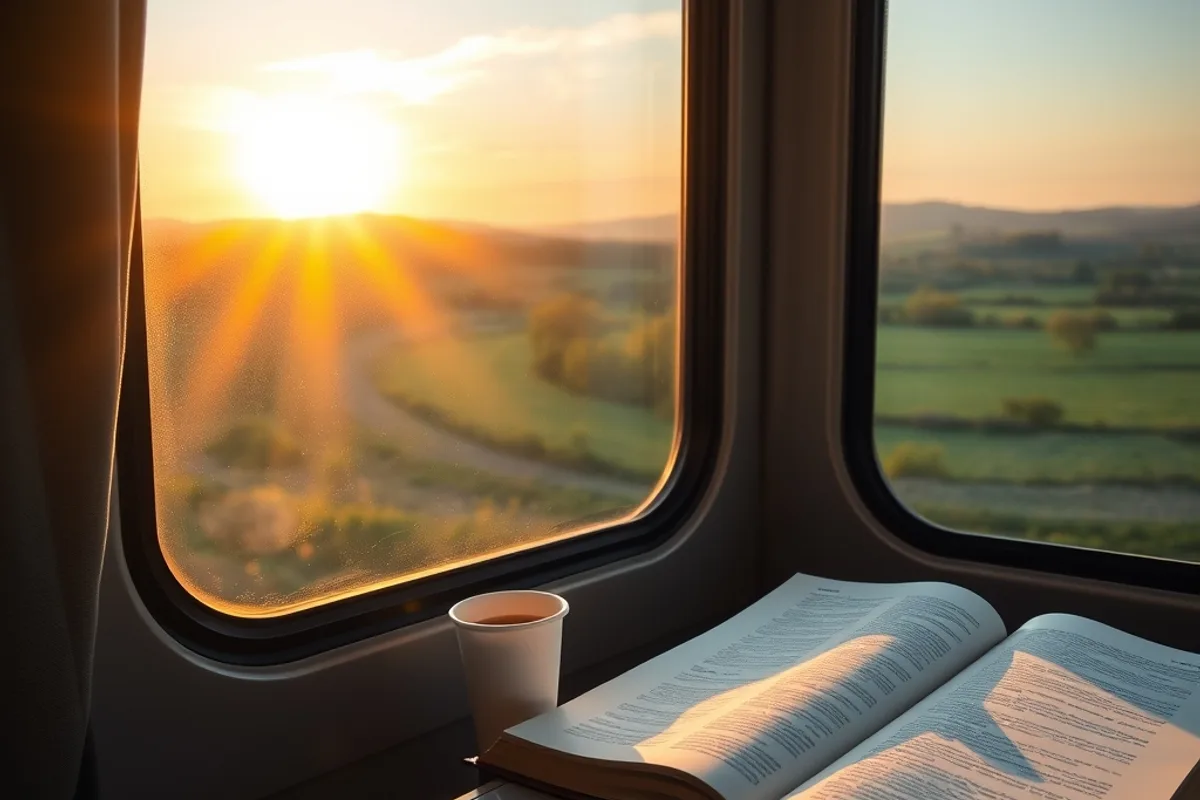
Take the train north to Kurama for a wooded walk and a small mountain temple, or the bus to Ohara for Sanzen-in and the surrounding village. Both are cooler than the city in summer and quieter in every season. The journey is part of the appeal.
Ohara is a working village as well as a temple destination. Stay on the paths, keep your voice low and do not photograph people's homes. The same courtesy applies in Kurama, where the trail passes through forest that is sacred to the local shrine.
Gion and the geiko district
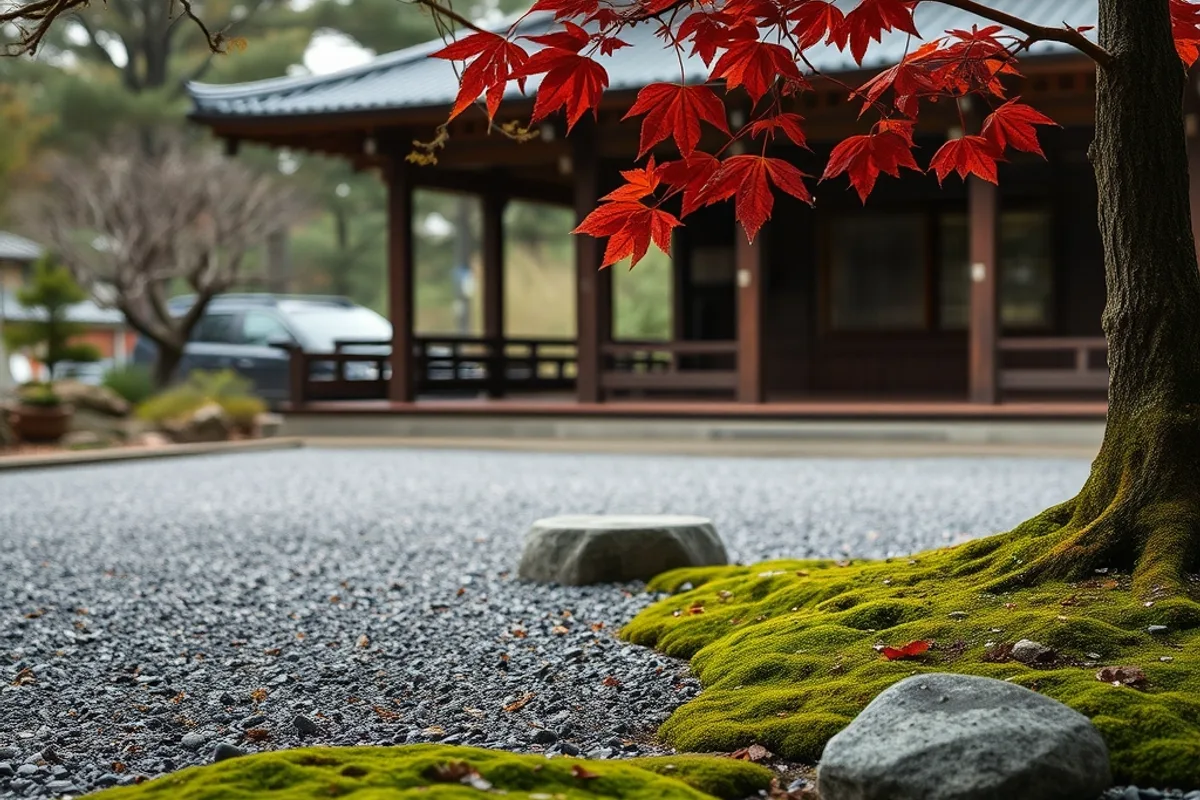
Gion is a residential and working district, not a theme park. Do not follow geiko or maiko down the street with a camera, do not block doorways, and do not assume a private lane is public because it looks picturesque. Signs in the area ask for exactly this, and they are not decorative.
If you want to see traditional performance, book a legitimate show or a tea ceremony rather than hoping to encounter it in the street. The money goes to the people who keep the craft alive, and you get a better view.
Where to stay
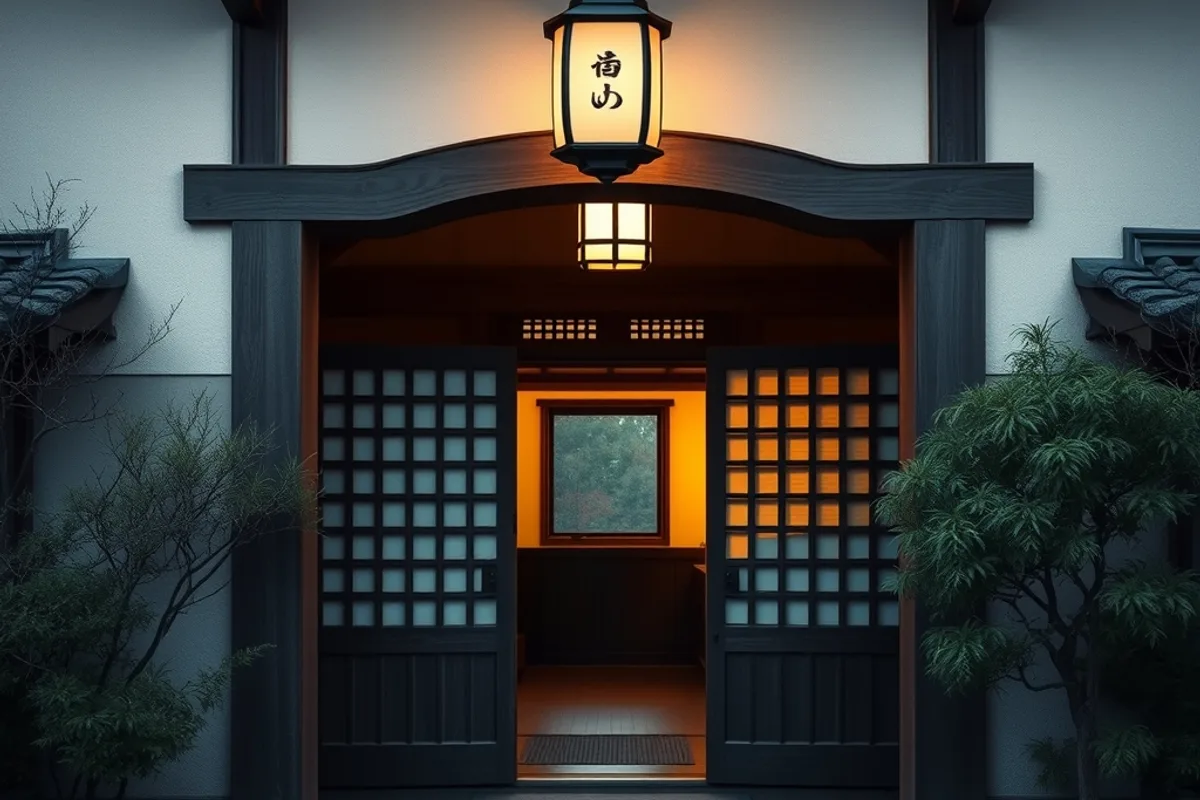
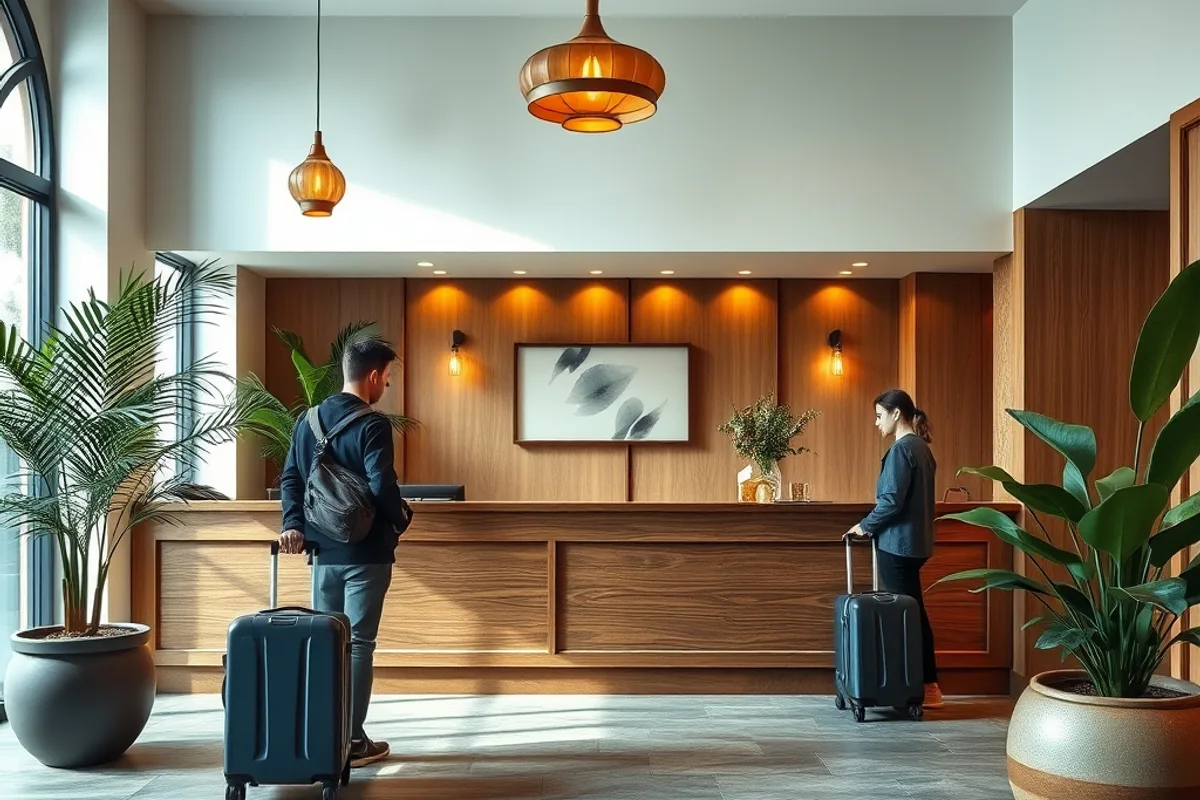
Kyoto Station is practical for arrival, departure and bus access but lacks atmosphere. The central area around Karasuma and Kawaramachi is walkable and well connected. A ryokan in the quieter north or east gives you a different rhythm, but check the curfew, the bath times and the cancellation policy before booking.
If you stay in a traditional guesthouse, remember that walls are thin and the building is old. That is part of the experience, but it is not the place for a late-night call or a rolling suitcase at six in the morning.
Getting around
The subway is fast and predictable. Buses reach the temples but are slow in traffic and crowded at peak times. A rechargeable IC card works across trains, subways and buses, and a rented bicycle is excellent for the flat central grid if you are comfortable riding in traffic.
Taxis are useful for early-morning starts before the buses run. Ask your hotel to write the destination in Japanese, and keep the address on your phone.
The quietest version of Kyoto is not a secret location. It is the same place, one hour earlier, with fewer people and more attention.
The bottom line
Visit the famous places, but visit them first. Choose a season for the experience you actually want, stay long enough to walk the same street twice, and treat the residential lanes with the courtesy you would want in your own neighbourhood. Kyoto rewards patience more than any checklist.
For the practical side of a Japanese city break, see our hotel review guide and our itinerary planning method.