Packing for two climates is usually treated as a reason to bring more. In practice it is a reason to bring smarter. The same few pieces, layered differently, can handle a cold morning in the mountains and a warm afternoon on the coast without filling a large suitcase.
The method below fits in a 40-litre carry-on for a week to ten days. It assumes you will do a small amount of laundry, which is the single biggest space-saving decision available to any traveller.
Start with the weather, not the wardrobe
Write down the realistic range for each stop, not the record high or the forecast for one day. A destination that averages 8°C in the morning and 19°C in the afternoon needs a windproof layer and a light base, not a heavy winter coat and a swimsuit.
Then identify the one condition you cannot tolerate: rain, wind, heat or cold. Pack specifically for that, and treat everything else as manageable. A compact rain shell earns its place faster than a second pair of trousers.
The three-layer system
Layer one is a thin merino or synthetic base that wicks and does not hold odour. Layer two is a light fleece, sweater or shirt that adds warmth. Layer three is a shell that blocks wind and rain. Wear one, carry one, pack one; the combination covers a surprising range.
Avoid cotton for the base layer in cool, damp conditions. It absorbs moisture and stays cold. Merino is more expensive but can be worn several times between washes, which makes it cheaper per day on a long trip.
Choose a palette, then stop
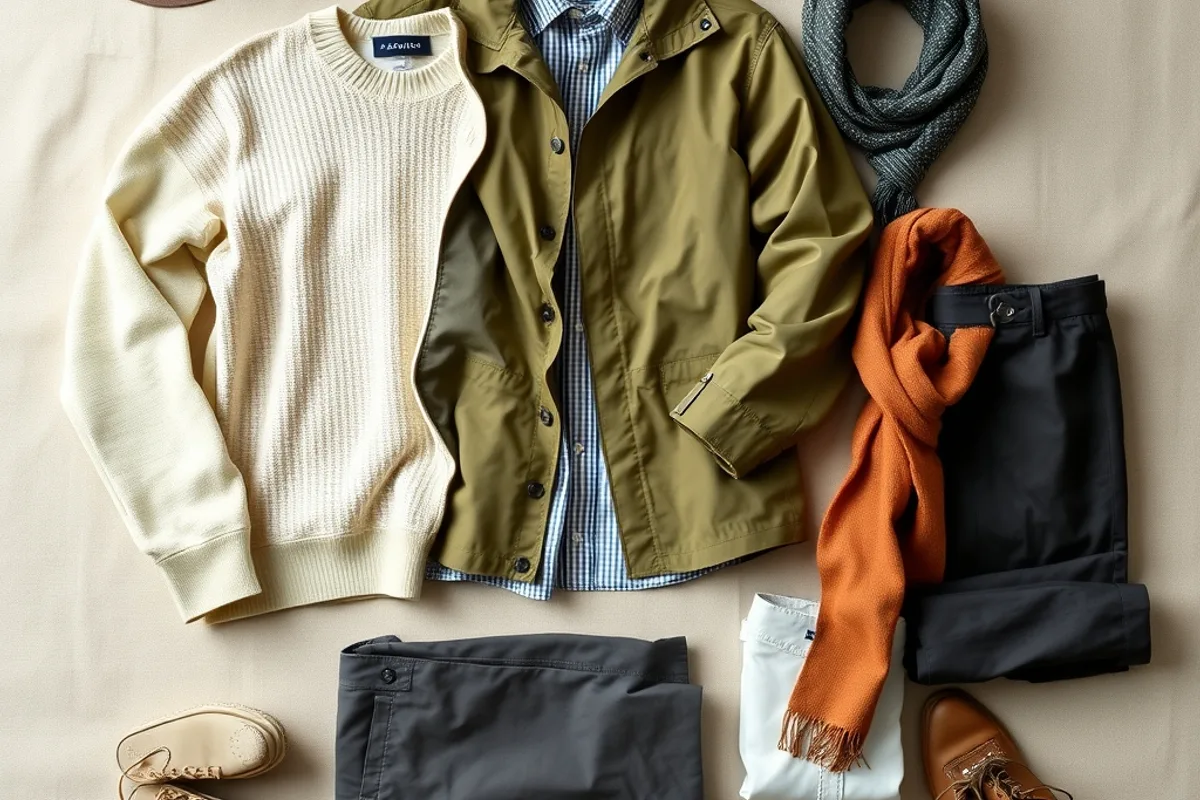
Pick two neutrals and one accent, and make sure every top, bottom and outer layer works with every other piece. Navy, grey and olive are easy. Add one warm colour if you like, but keep it to accessories or a single shirt.
A tight palette means fewer decisions in the morning and fewer items that only work with one thing. It also makes laundry simpler, because a small load can be washed together without sorting.
Fabrics that dry overnight
Look for synthetic blends, merino and treated travel fabrics that dry in a few hours. Denim is heavy and slow to dry; take one pair at most, and only if you will wear it often. A quick-dry trouser in a neutral colour is more versatile and weighs less.
Check the label before you buy. "Quick dry" is sometimes marketing for a thin polyester that pills after two washes. Read reviews from travellers, not just the product page.
Shoes are the real budget
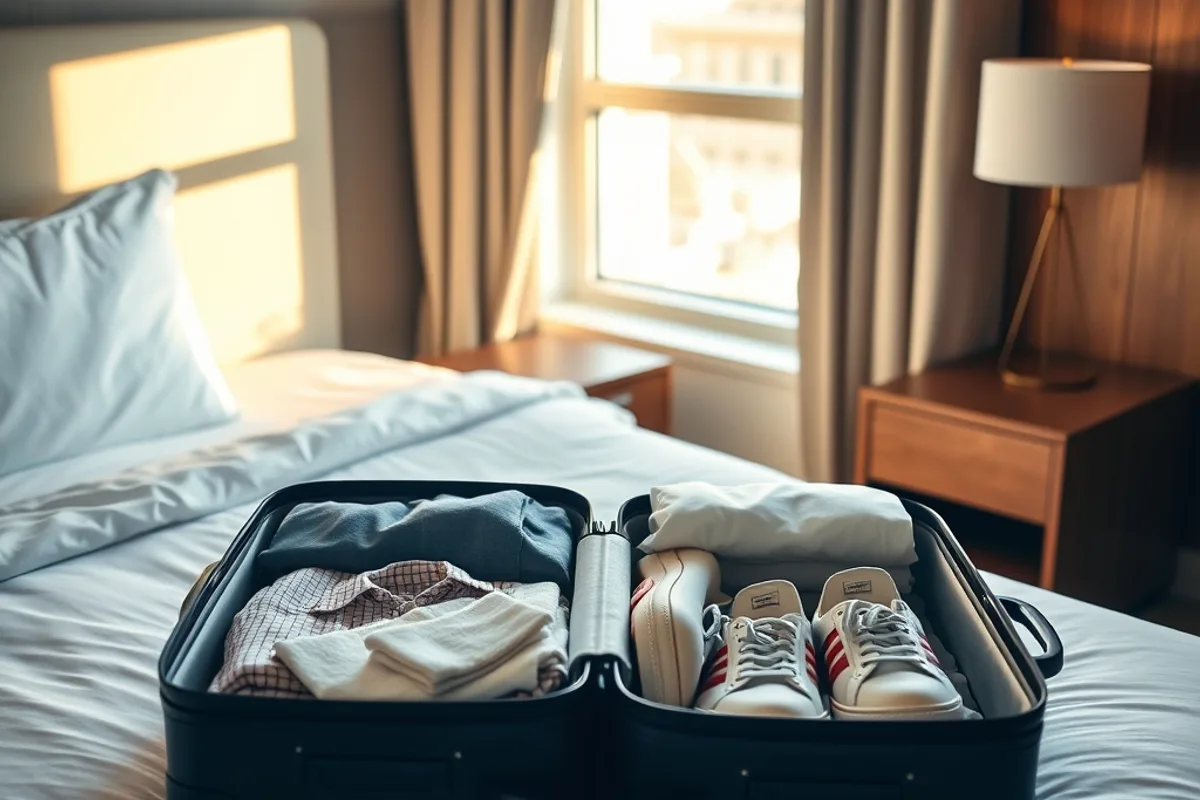
Shoes take up more space than any other item. Take two pairs maximum: one comfortable walking shoe and one pair that works for dinner or a nicer evening. Wear the bulkiest pair on the plane.
If the trip includes hiking, choose a trail shoe that can pass in the city rather than a separate boot. If it includes a formal event, accept that you may need to check a bag or rent locally.
The 40-litre list
A working baseline
- 3 base layers, 2 mid layers, 1 shell
- 2 trousers, 1 pair of shorts or a skirt
- 4 sets of underwear and socks
- 1 swimsuit, 1 hat, 1 scarf
- 2 pairs of shoes, worn pair included
- Toiletries in 100ml containers
- Charger, adapter, power bank, e-reader
- Small first-aid kit and any medication
Adjust the counts for the length of the trip and the laundry access, not for anxiety. If you can wash every four days, four sets of underwear is enough for a month.
Liquids and security, without the drama
Decant toiletries into small reusable bottles and keep them in one clear bag at the top of your luggage. Check the liquid rules for every airport on the route, because they differ and they change. A solid shampoo bar and a shaving soap save space and never leak.
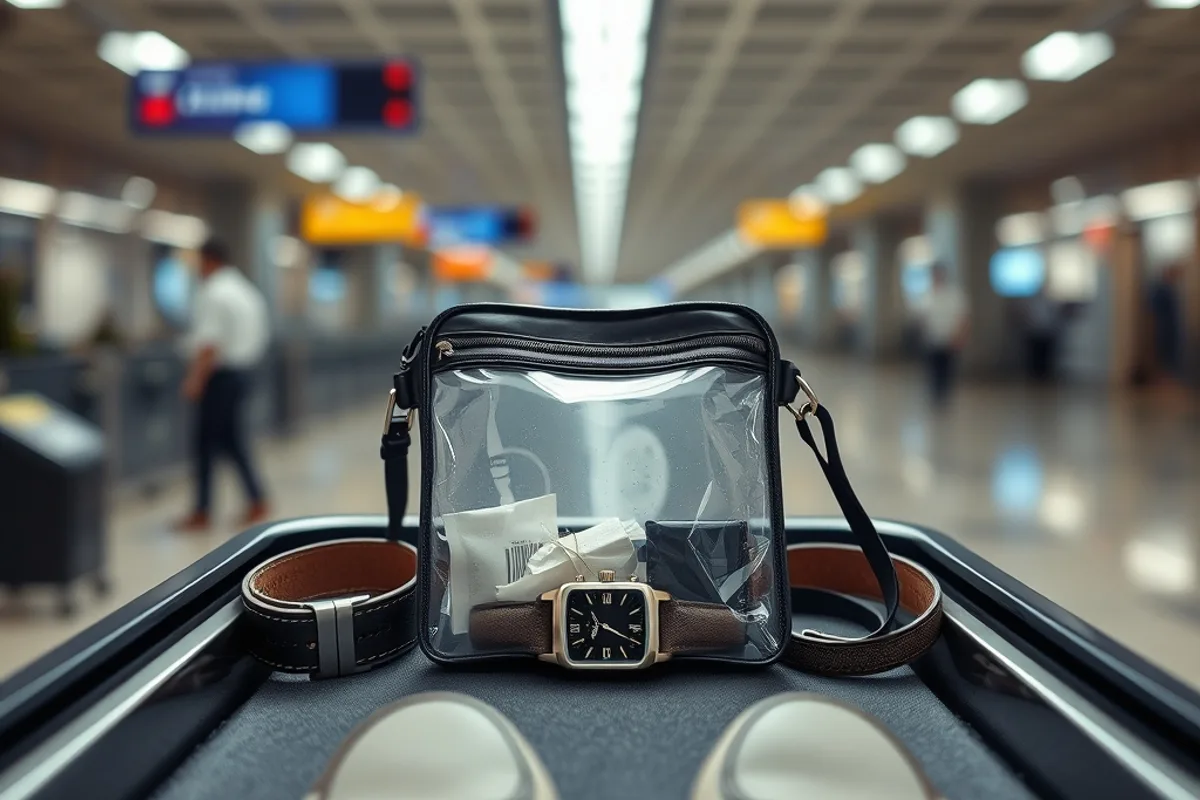
Wear the jacket and the bulkiest shoes through security. Empty your pockets into the bag before you reach the tray, and keep the laptop and liquids where you can reach them without unpacking everything.
Laundry every four days
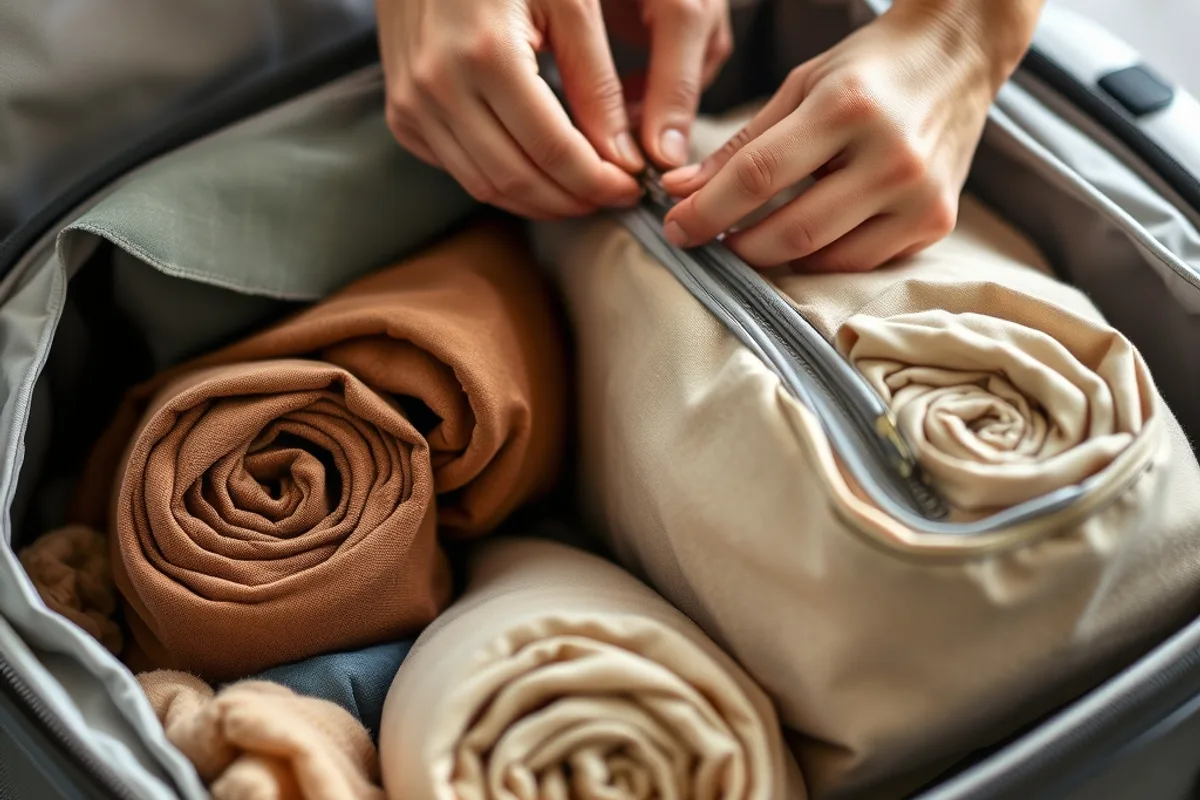
Plan one laundry session every four days, either in a hotel sink or at a local laundrette. Carry a small bottle of travel wash, a universal plug and a few feet of travel line. Wash the base layers and socks first; they are the items that matter most.
A laundrette is also a useful window into ordinary life, and it costs less than a hotel service. Take a book, some coins and an hour. Your bag will thank you for the rest of the trip.
The best packing list is not the longest one. It is the one you can carry up a flight of stairs without regret.
The bottom line
Two climates, one bag, is a system rather than a stunt. Layer for warmth, choose fabrics that dry, limit shoes and plan to wash. The result is a lighter bag, faster airport days and more room for the things you actually bring home.
For the paperwork side of the trip, read our guide to travel insurance. If you are planning a multi-city route, our rail travel guide explains why fewer stops usually means less luggage.