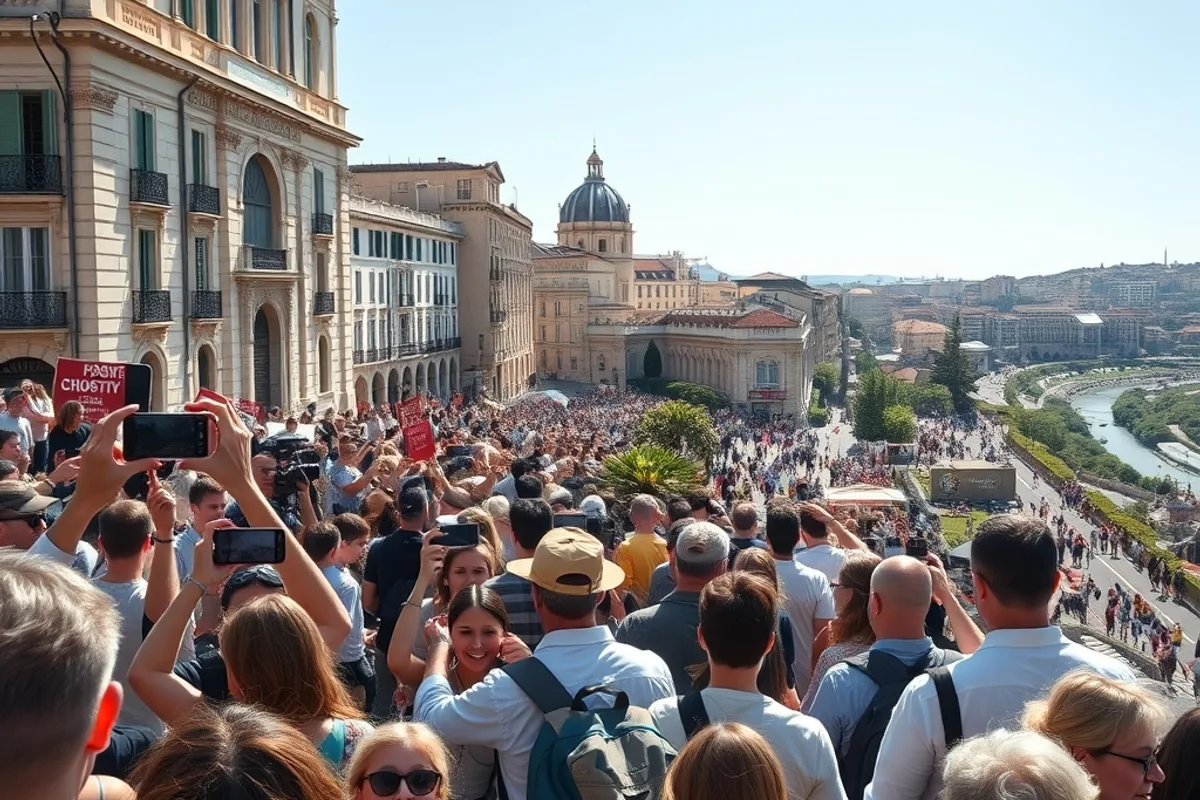
The overcrowding debate usually turns into a argument about numbers: too many cruise ships, too many day trippers, too many short-term rentals. All of that matters. But for an individual traveller, the practical question is simpler: how do I visit a popular place without making it worse and without ruining my own day?
The answer is mostly about timing, routing and restraint. None of it requires skipping the place entirely, and most of it saves you money as well as patience.
The crowding problem is a scheduling problem
Most famous sites receive the bulk of their visitors in a narrow window. Tour buses arrive mid-morning, cruise groups land after breakfast, and the afternoon is a crush until the last departure. The same site at opening time can be calm, and the surrounding streets can be empty an hour before the first coach.
If you shift your visit by two hours, you change the experience more than if you change destination. That is the cheapest fix available, and it works almost everywhere.
Shift the time
Go first thing, or go late. Check opening hours rather than assuming sunrise access, and book the first slot when a timed entry is required. In cities, the early morning is also when bakeries, markets and public transport are at their best.
The evening has its own advantage: many day visitors leave, the light improves and the site feels less like a queue. Some museums run late openings once a week, which are usually quieter than the weekend.
Shift the space
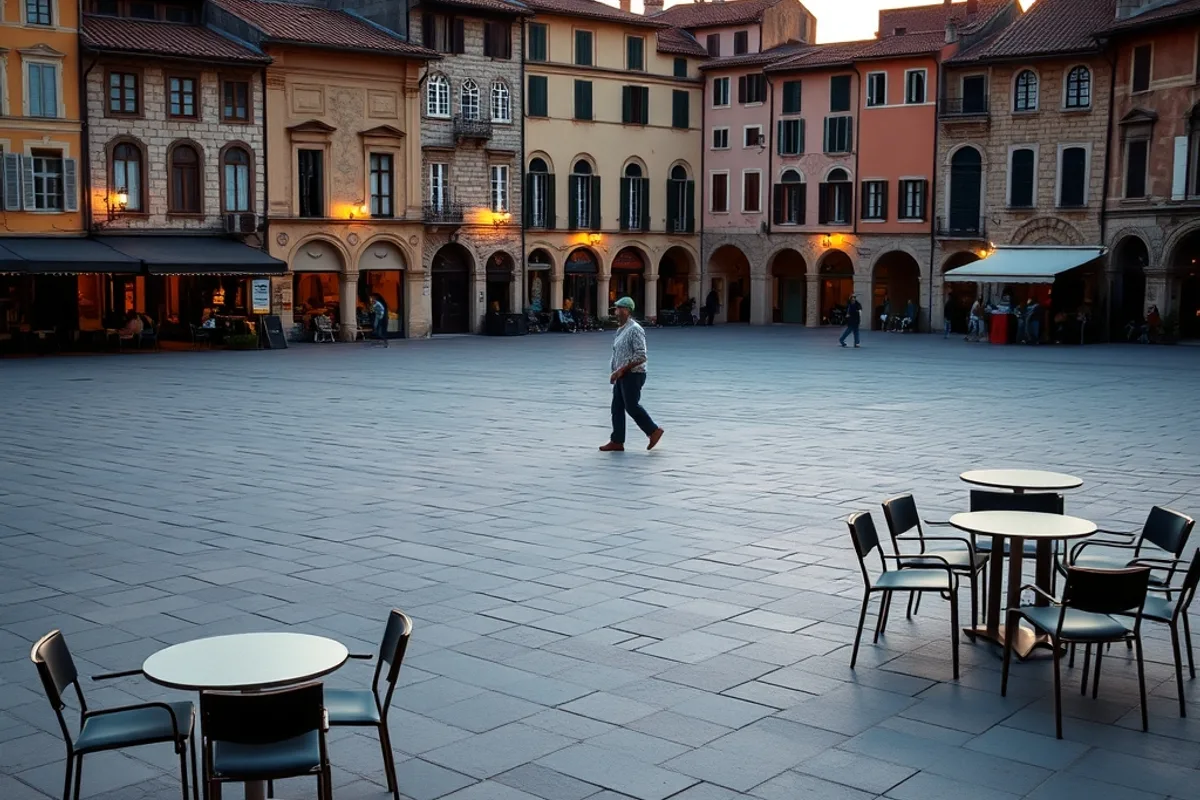
Every famous site has a less famous neighbour. The main temple has a subtemple; the headline museum has a branch; the postcard viewpoint has a second viewpoint ten minutes further along the ridge. Walk one street back from the main drag and the crowd thins immediately.
Use a map to find the green spaces, markets and residential districts around the honeypot, then build a route that connects them. You still see the famous thing, but you spend most of the day in places that can absorb you.
Book the constrained things
Some experiences are limited by capacity: a small museum, a ferry, a trailhead shuttle, a popular restaurant. Those are the ones to reserve in advance. Booking reduces the chance of a wasted day and helps operators manage numbers.
Do not book everything. Over-scheduling turns a holiday into a series of appointments and makes it harder to respond to weather or a better suggestion. Reserve the two or three things that would genuinely disappoint you to miss.
Stay longer, move less
A day trip to a fragile place delivers a concentrated crowd and leaves little money in the local economy. Staying two nights spreads the impact, supports accommodation and restaurants, and gives you access to the early morning and late evening that day visitors never see.
It also makes the trip better. The second morning in a place is when you stop navigating and start noticing.
Follow local rules, including the boring ones
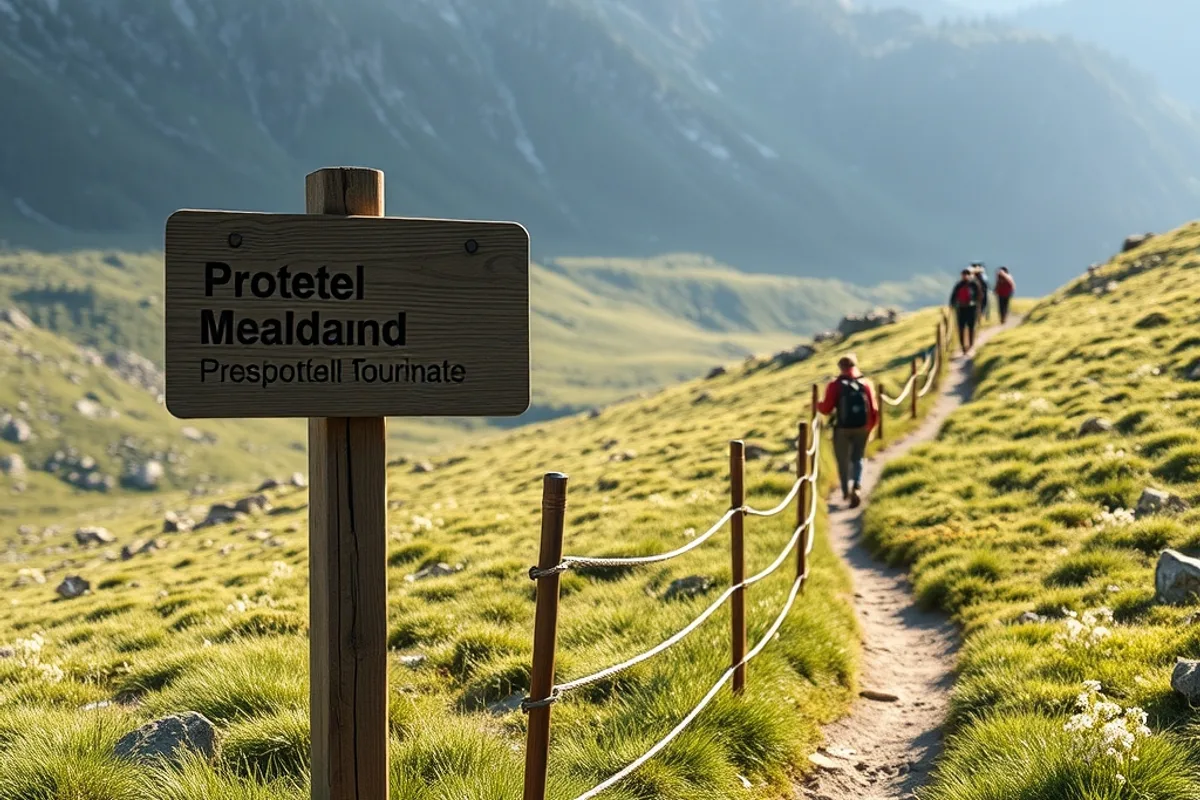
Rules about litter, noise, drones, swimwear, smoking and photography exist because visitors broke something. Read the signs at the entrance and follow them without negotiating. In residential districts, keep your voice down after dark and do not photograph people's windows.
If a place has introduced a visitor fee, a booking system or a cap on numbers, pay it and comply. These measures are usually the result of years of pressure, and resisting them makes the next restriction more likely.
Eat and shop where people live
Spend money in businesses that serve residents, not only in outlets designed for tourists. A neighbourhood bakery, a local market, a family-run restaurant and a guide who lives in the area all keep more of the value in place.
Ask your host where they eat, and follow the answer. The food is usually better and cheaper, and the money stays closer to the people who make the destination worth visiting.
Choose the second city
For every overcrowded capital there is a second city with the same culture, fewer queues and lower prices. Porto instead of Lisbon, Kanazawa instead of Kyoto, Bologna instead of Florence, Valencia instead of Barcelona. The second city is not a consolation prize; it is often the better trip.
If you do visit the famous place, pair it with a smaller town nearby. That combination gives you the icon and the breathing room, and it spreads the economic benefit beyond a single street.
Being a good visitor is not about staying home. It is about arriving at a different hour and spending your money in a way that leaves the place better than you found it.
The bottom line
Crowding is real, but it is not evenly spread across the day or the map. Go early, walk one street back, book only what is genuinely constrained and stay long enough to contribute. You will see more, wait less and be the kind of visitor a place can actually absorb.
For a city that rewards this approach, read our guide to Kyoto without the crowds. For the planning side, see how to build an itinerary that survives delays.