Lisbon is a city of seven hills, and the number is more of a warning than a fact. Streets tilt, trams rattle up slopes, and the best view is almost always at the top of a staircase you did not plan to climb. The reward is a city that reveals itself slowly, district by district.
Four days is enough to see the essentials without spending the whole trip in transit. The key is to group each day by neighbourhood, start earlier than you think, and accept that a coffee stop with a view is part of the itinerary, not a delay.
Why Lisbon rewards walking
The historic centre is compact. Baixa, Chiado, Bairro Alto and Alfama sit within a few kilometres of each other, connected by lanes, staircases and sudden squares. Walking lets you move between them without returning to a metro line, and it is the only way to notice the tiles, the laundry and the corner shops that give each district its character.
Comfortable shoes are not a cliché here. The pavements are polished stone, and they are slippery when wet. Bring shoes with grip, and plan the steepest walks for the morning when the heat is lower and the streets are quieter.
Where to stay
Baixa and Chiado are central, flat and convenient, with easy access to metro and trains. Alfama is atmospheric but hilly and noisy at night. Bairro Alto is lively, which is either the point or a problem depending on your bedtime. Príncipe Real is quieter, greener and a short walk from the centre.
If you plan day trips, stay within walking distance of Rossio or Cais do Sodré. That saves a taxi at each end and keeps the station reachable on the morning you leave.

Day one: Baixa, Chiado and the river
Start flat. Walk from Praça do Comércio through the grid of Baixa, then climb gently into Chiado for bookshops, cafes and the ruined convent of Convento do Carmo. Continue to Bairro Alto in the late afternoon, when the bars are still quiet and the streets belong to residents.
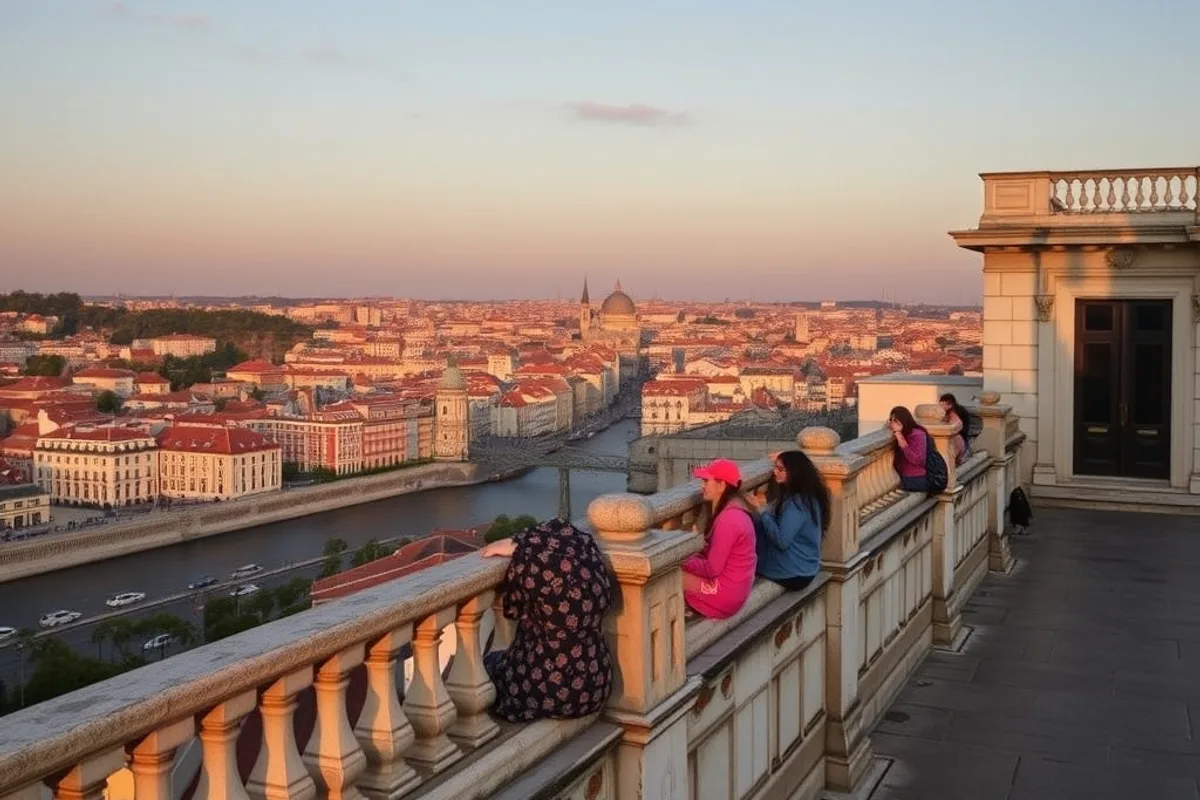
Finish at a viewpoint such as Santa Catarina or São Pedro de Alcântara. The sun sets over the river and the castle, and the city turns the colour of the tiles. Eat early or book ahead; the good rooms fill quickly.
Day two: Alfama and the castle
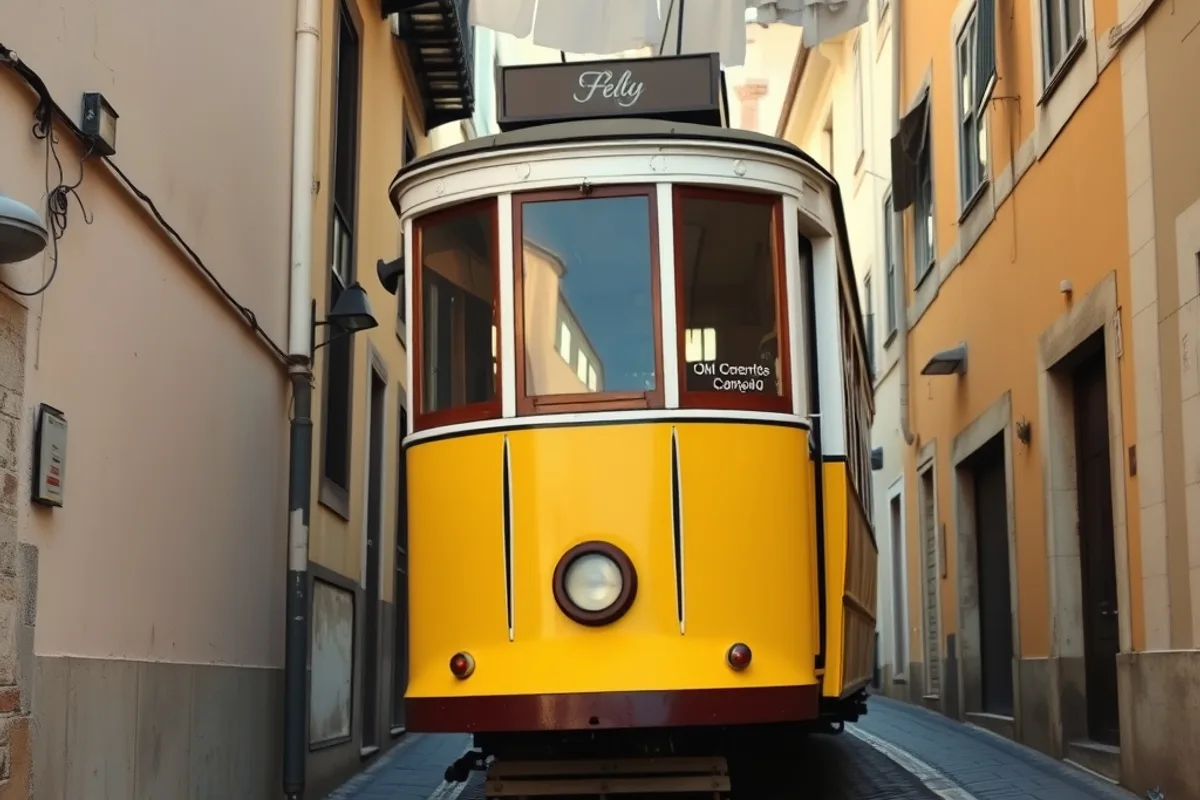
Take tram 28 or walk to Alfama, but arrive before ten if you want the lanes to yourself. The district is a maze by design, so pick a direction and let yourself get slightly lost. The cathedral, the castle walls and the small squares are all within reach.
Climb to Castelo de São Jorge for the view, then descend through the back streets toward the river. Stop for lunch in a tiny tasca rather than a restaurant with photographs of the food. In the evening, listen for fado drifting out of a doorway, but check whether the venue is a proper listening room rather than a dinner show with a cover charge.
Day three: Belém
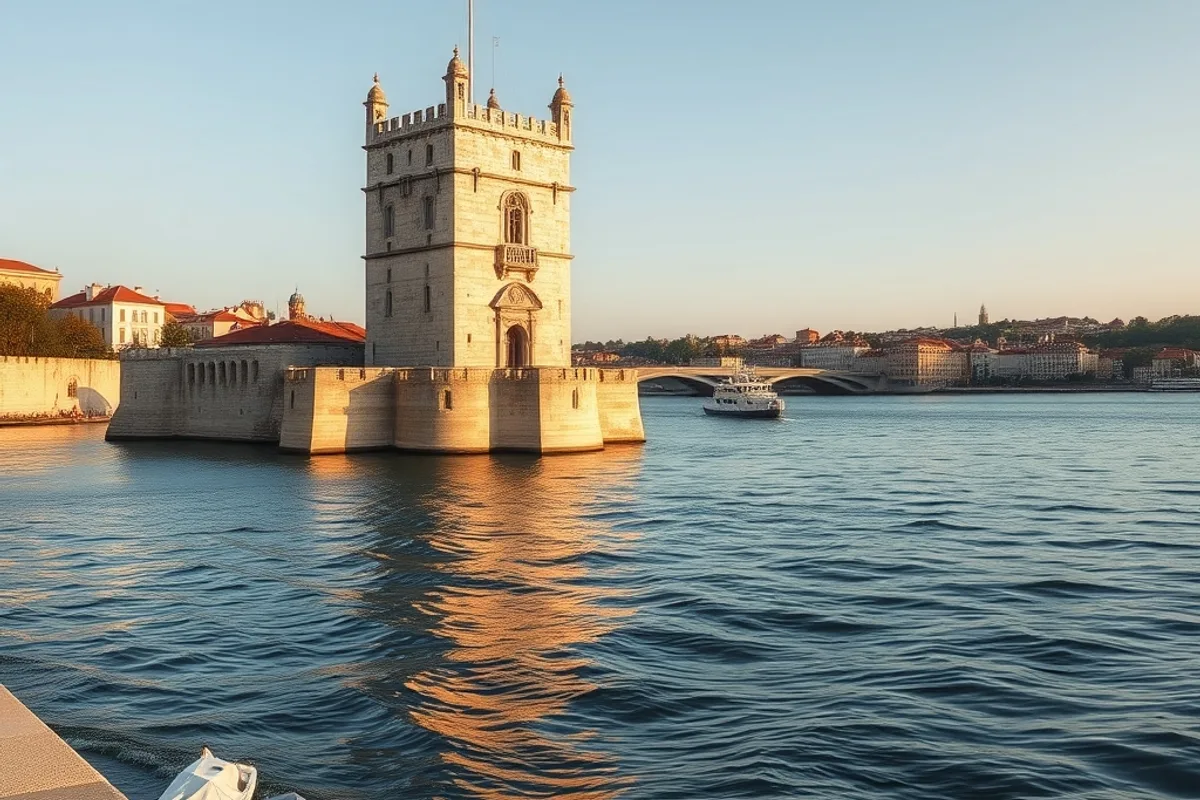
Take the tram or train west to Belém for the Jerónimos Monastery, the Belém Tower and the riverfront. Book monastery tickets in advance if you want to see the cloister without a long queue. The tower is small inside, so the exterior and the riverside walk are often the better experience.
Leave time for the Cultural Centre and the gardens. The famous custard tarts are worth trying at least once, ideally warm and with cinnamon. The queue moves, but you can also find excellent versions in ordinary bakeries across the city.
Day four: LX Factory or Sintra
For a slower last day, walk the riverfront from Cais do Sodré toward Alcântara and browse LX Factory, a former industrial complex now filled with bookshops, studios and cafes. It is popular, so go early or late, and combine it with the Time Out Market if you want one place with many food options.
For a bigger day out, take the train from Rossio to Sintra. Go on the first train, pick two palaces rather than five, and expect crowds by mid-morning. The Pena Palace is the postcard; the Quinta da Regaleira and Monserrate are often calmer and just as strange.
Transit and tickets
The metro, trams and funiculars use a rechargeable Viva Viagem card. Buy one at a metro station, load it with credit and tap in. Trams are charming but slow and often full; use them for the experience rather than as a serious transport strategy.
Ride-hailing apps are widely used and can be cheaper than a taxi for short trips, especially at night. For the airport, the metro is quick and inexpensive if your luggage is manageable.
In Lisbon, the route with the most stairs usually has the best view. Decide which days you want that trade, and take the tram on the others.
Food rules that improve the trip
Eat where the menu is short and the room is full of locals. Look for grilled fish, caldo verde, bifanas and simple rice dishes. Order vinho verde or a glass of the house red rather than an expensive bottle. Breakfast is usually coffee and a pastry, taken standing at the counter.
Vegetarians will find good options in the city, but traditional tascas are meat- and fish-led. Check the menu before you sit down, and do not expect every kitchen to adapt a dish on request.
The bottom line
Four days in Lisbon works best as four neighbourhoods, not four checklists. Walk in the morning, climb one hill a day, and let the afternoon find you at a viewpoint. The city is small enough to return to, and old enough that you will not run out of reasons to.
If you are planning a longer rail trip through Portugal and beyond, our guide to slow travel by rail explains how to choose fewer bases. For the practical side of a city break, read how to read a hotel review.