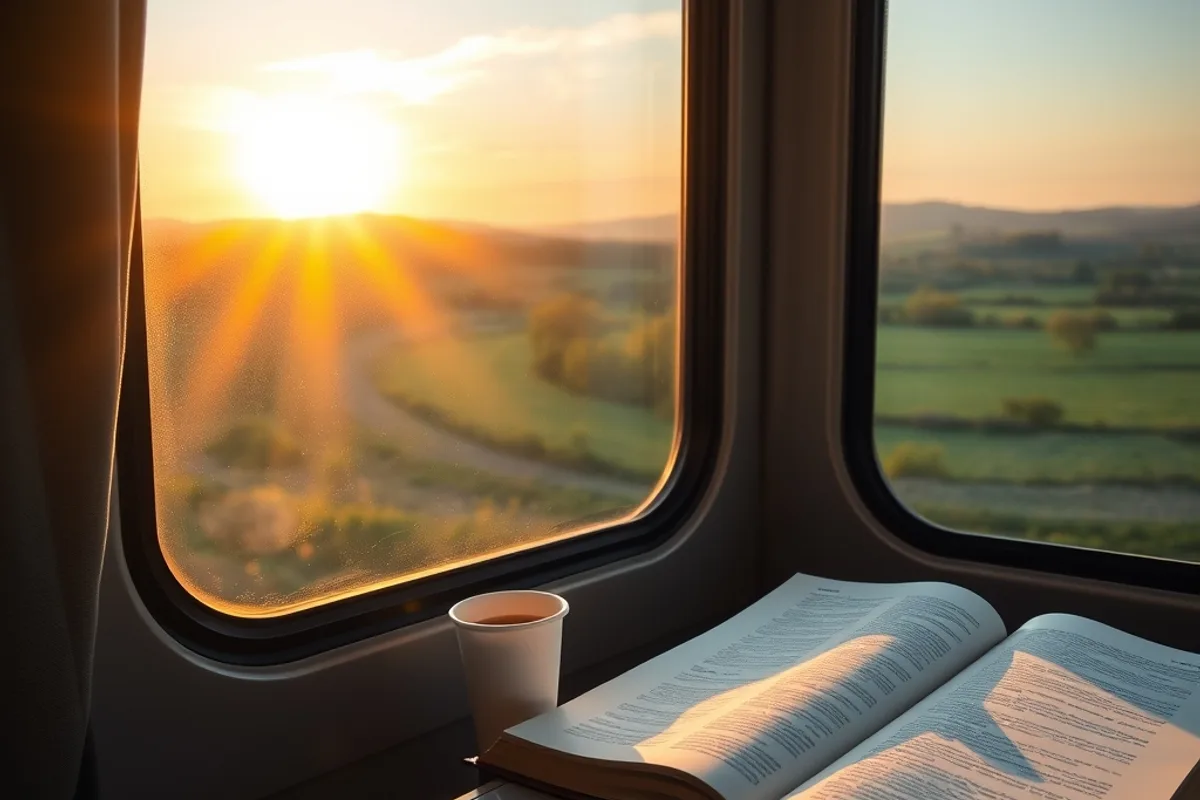
The fastest way to see five European cities is to fly between them. The better way to remember five cities is usually to see three, and to arrive by train with the afternoon still ahead of you.
Slow travel is not a moral position or a personality. It is a set of trade-offs that happen to suit rail. You give up reach and gain time in place. Whether that is a good deal depends on the trip you actually want, not the one an algorithm can optimise.
What slow travel actually means
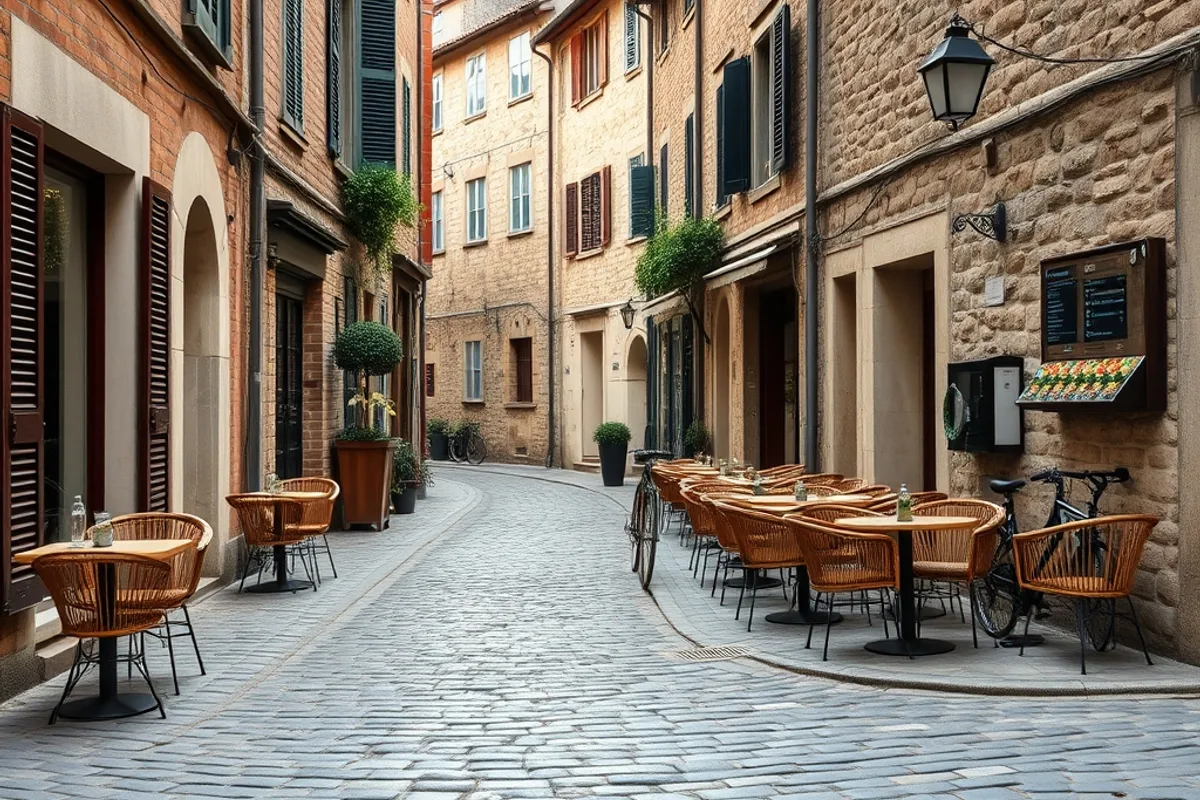
It means treating travel days as part of the holiday rather than dead time between destinations. It means staying long enough to visit the same cafe twice, to learn which street leads to the station, and to notice that the neighbourhood changes character after six in the evening.
It does not mean moving at a snail's pace for its own sake. A three-hour train between two cities is often more restful than a one-hour flight once you count the trip to the airport, security, boarding and the transfer at the other end.
The arithmetic of fewer cities
A flight between nearby European cities rarely takes one hour door to door. Add the commute to an airport, the recommended two-hour arrival, the baggage wait and the transfer into town, and a short hop easily consumes four to five hours. A train between the same pair may take three, and it leaves from the centre.
The train also arrives where you want to be. That single fact removes a taxi, a ticket machine and a moment of confusion in an unfamiliar language. Multiply it across a two-week trip and the difference in energy is larger than the difference in schedule.
Choose a base, not a checklist
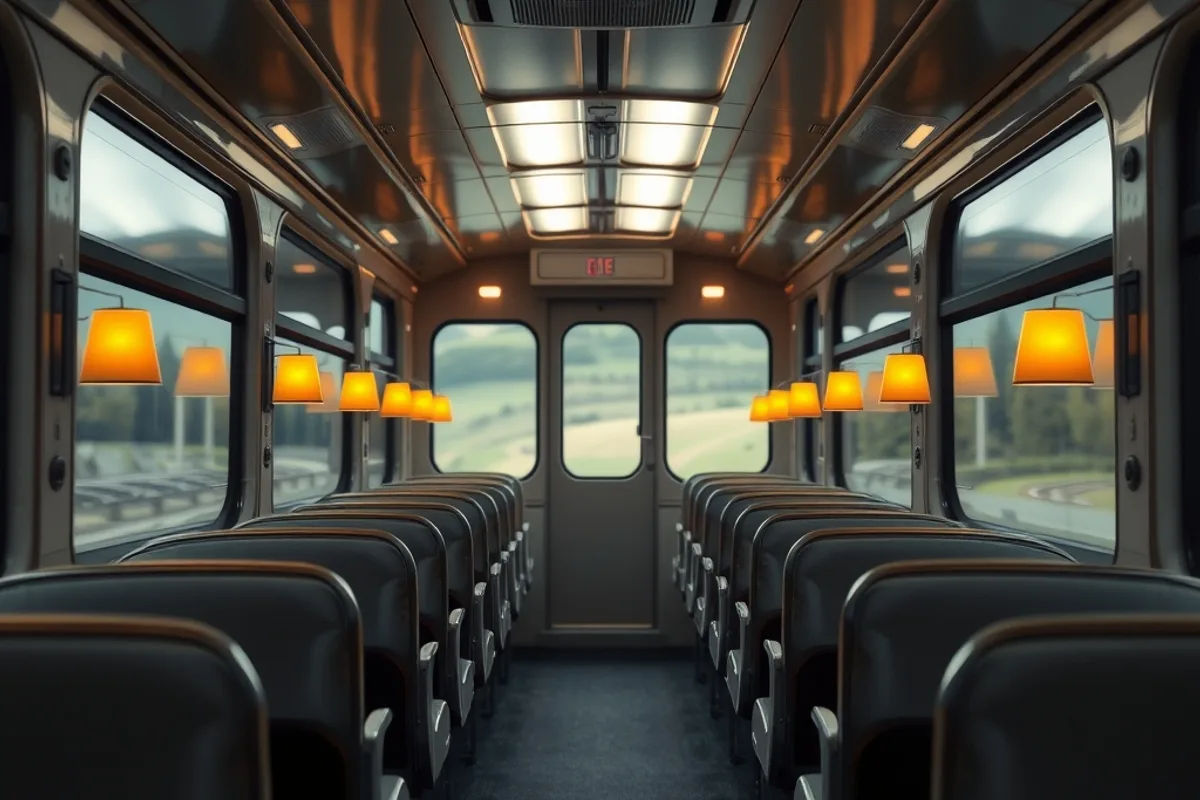
Pick one city as a base for three or four nights and take day trips from it. You unpack once, learn one set of streets and let the surrounding region come to you. This works especially well in places with dense rail networks: the Low Countries, the Rhine, northern Italy, central Japan.
The base should be near a station with frequent services, not necessarily in the historic centre. A ten-minute walk from the platform will save you more time over four days than a prettier view will repay.
Book rail in the right order
Reserve the long legs and the popular routes first. Regional trains usually need no reservation and can be bought on the day, which keeps the plan flexible. High-speed services and sleeper trains sell out, so those are the ones to lock in.
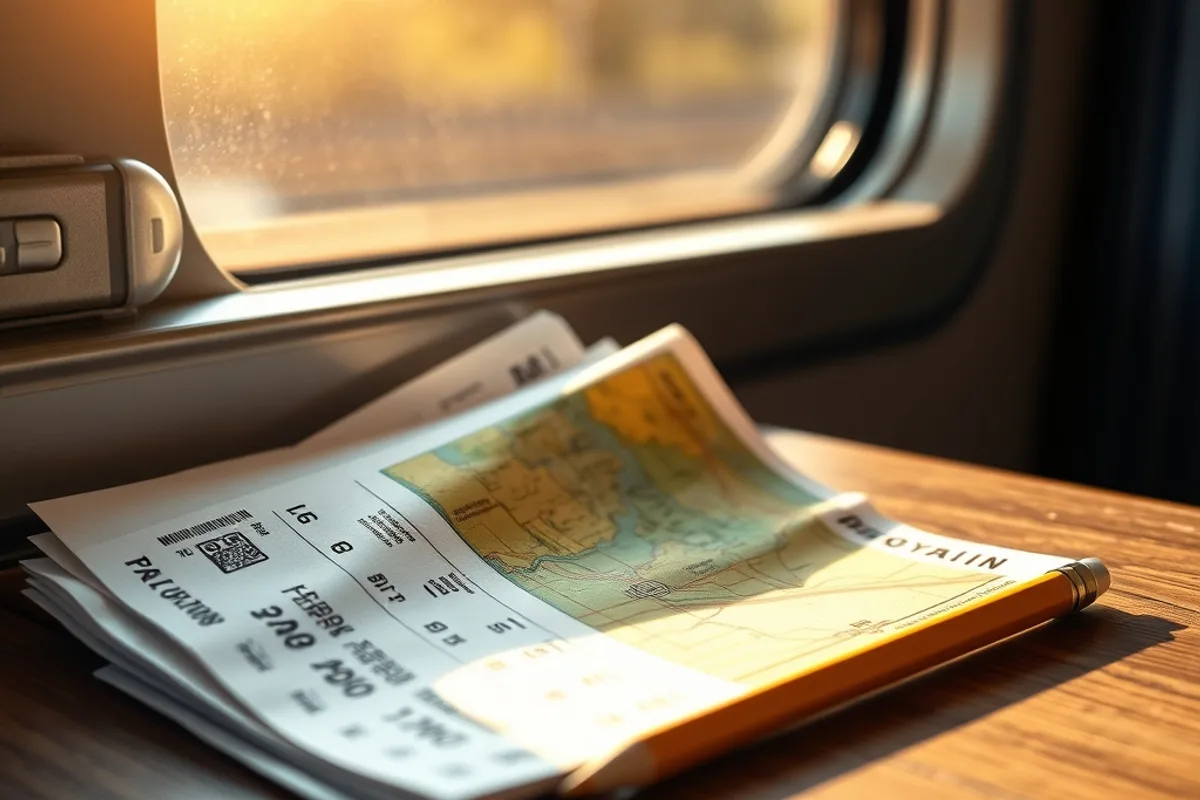
Use the operator's own site when you can; it gives the clearest information about platform changes and disruption. Keep a screenshot of each ticket, and check whether your pass requires a seat reservation even when travel is included.
What to do with the journey
A train day has a rhythm worth protecting. Board with water and something to eat, because the trolley may not appear. Sit on the side with the view if you can find out in advance. Keep a book, a notebook and a charged phone, and resist the urge to schedule a call in the one hour the signal disappears.
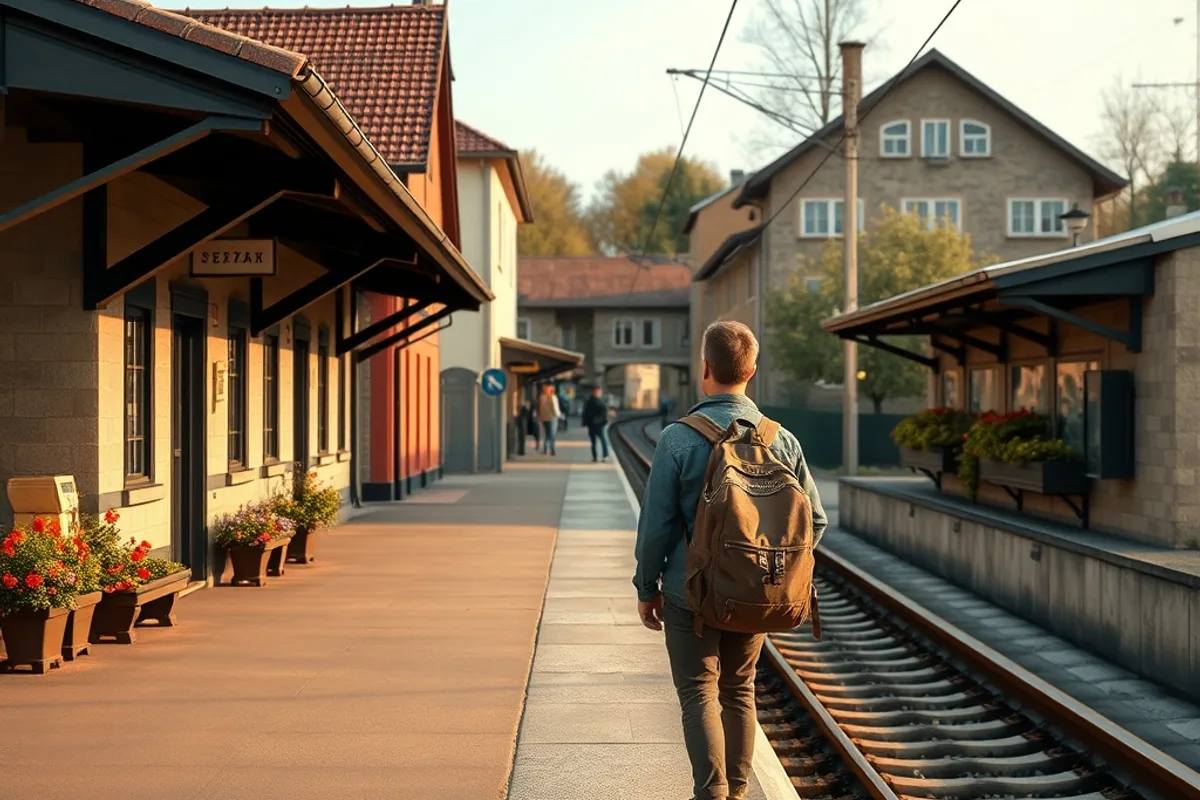
Some of the best moments on a rail trip happen between stations: the vineyard slope that appears after a tunnel, the lake the line follows for twenty minutes, the station cafe where the whole town seems to be having lunch.
The point of slow travel is not to move slowly. It is to arrive with enough attention left to notice where you are.
When rail loses
Rail is the wrong choice when the distance is long, the connection is fragile or the fare is absurd. A thirty-hour journey with two tight changes is not romantic; it is a logistical risk. Overnight buses and short flights still make sense on some routes, and pretending otherwise turns a preference into a doctrine.
Check the total door-to-door time, the cost of seat reservations and the frequency of the service. A route with one train a day is a commitment, not a flexible option. Build a full day of slack around it if you take it.
A rhythm that works
Four nights in the first city, a scenic three-hour train, four nights in the second, a day trip by local rail, then one long leg home. Two bases, one region, no airport transfer until the end. It sounds modest. It usually produces the trip people describe as "relaxed" when they get back.
If you are still building the rest of the plan, our guide to itineraries that survive delays covers buffers and disruption. For a city where walking is the main transport, see our four-day Lisbon itinerary.
The bottom line
Fewer cities, longer stays and a train ticket instead of a boarding pass is not a rule for every trip. It is a reliable way to trade breadth for texture. If you want to come home remembering how a place felt rather than how its airport looked, start by cutting one destination and giving the time to the one you keep.